
Recovering from dengue does not provide lifelong protection against every form of the virus. Doctors explain how dengue reinfection happens, why a different serotype can increase the risk of severe illness, and how prevention can help.
Many people assume that once they have recovered from dengue, they cannot catch the disease again. That belief is incorrect.
Dengue is caused by four different virus serotypes — DENV-1, DENV-2, DENV-3 and DENV-4. Infection generally provides long-term immunity against the serotype that caused the illness, but it does not offer the same lasting protection against the other serotypes.
As a result, someone who has already had dengue can become infected again. More importantly, a subsequent infection with a different serotype may carry a higher risk of developing severe dengue.
Since dengue continues to pose a significant public-health challenge in many regions, understanding reinfection and taking preventive measures remains important.
Why Can You Get Dengue More Than Once?
“Dengue is not necessarily a one-time illness,” explains Dr Sandeep Budhiraja, Group Chairman, Internal Medicine and Group Medical Director, Max Healthcare, Delhi.
According to him, a person can potentially contract dengue up to four times because the virus exists in four distinct forms.
After the first infection, the immune system develops strong protection against that particular serotype. However, immunity against the remaining serotypes is not permanent.
This means a person who previously had DENV-1, for example, can still become infected later by DENV-2, DENV-3 or DENV-4.
In areas where multiple dengue serotypes circulate, reinfection can therefore occur even after someone has previously recovered from the disease.
Why Could a Second Dengue Infection Be More Severe?
A subsequent dengue infection caused by a different serotype deserves particular attention because it may increase the likelihood of severe disease.
The World Health Organization has highlighted the increased risk associated with sequential infections involving different dengue serotypes.
One proposed explanation involves a phenomenon known as antibody-dependent enhancement (ADE).
During the first dengue infection, the body produces antibodies that recognise that specific serotype. If a different serotype enters the body later, some existing antibodies may attach to the new virus without effectively neutralising it.
According to Dr Budhiraja, this interaction may help the virus enter certain immune cells and can potentially contribute to increased viral activity and a more severe immune response.
That is why having dengue once should not lead to complacency. Previous infection does not eliminate the need for mosquito-bite prevention.
How Does Dengue Spread?
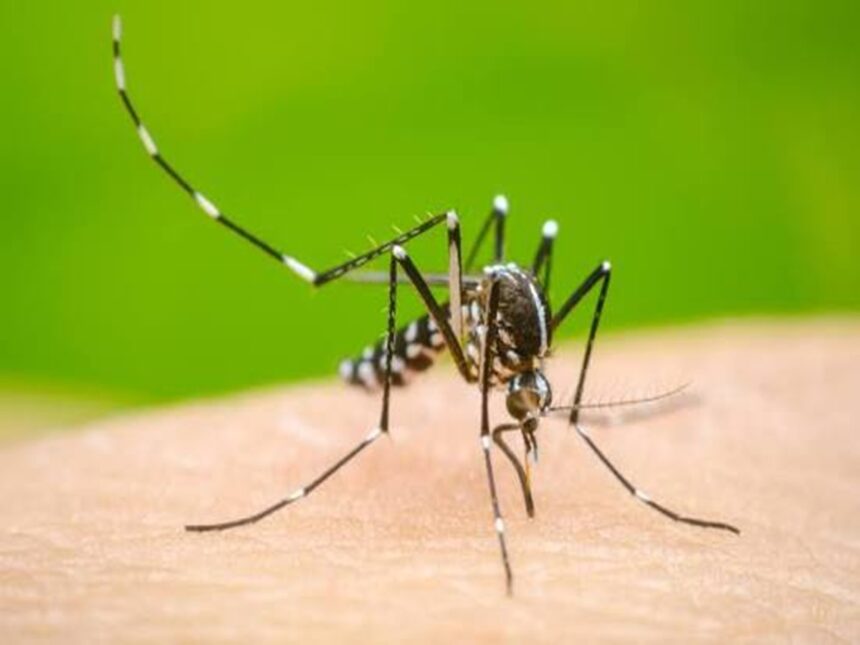
Dengue is transmitted primarily through the bite of infected Aedes mosquitoes. These mosquitoes can remain active during daylight hours and commonly breed in stagnant water collected around homes and communities.
Even small amounts of standing water in containers, discarded items, plant pots or other outdoor spaces can provide potential breeding sites.
Reducing mosquito exposure and removing places where mosquitoes can reproduce are therefore important parts of dengue prevention.
World Mosquito Day: A Reminder to Stay Protected
August 20 is observed as World Mosquito Day, providing an opportunity to highlight the health risks associated with mosquito-borne diseases and the importance of effective mosquito control.
Because there is no specific antiviral treatment that directly eliminates dengue virus, prevention and timely medical care remain particularly important.
People can lower their exposure by:
- Removing stagnant water from areas around the home.
- Keeping water storage containers properly covered.
- Using mosquito repellents when appropriate.
- Wearing clothing that covers the arms and legs.
- Using mosquito nets, particularly when resting during the day.
- Seeking medical attention promptly if dengue-like symptoms develop.
Vaccination may also have a role in dengue prevention for certain populations and locations, depending on applicable recommendations and eligibility.
Previous Dengue Infection Does Not Mean You Are Fully Protected
The key takeaway is simple: having dengue once does not mean you are protected against dengue for life.
Because the virus has four serotypes, another infection remains possible. A later infection involving a different serotype can also carry a greater risk of severe disease.
Therefore, even people who have recovered from dengue should continue taking precautions against mosquito bites, eliminate breeding sites and seek timely medical advice if symptoms develop.