
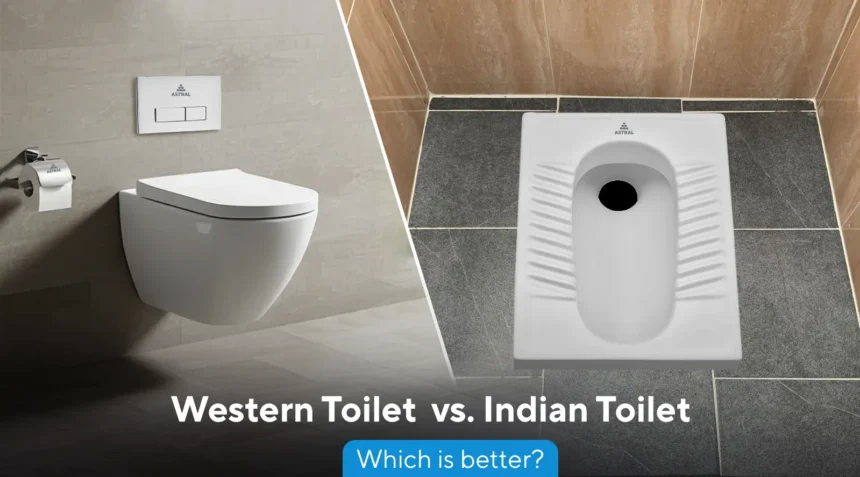
Many people believe that using a Western toilet is one of the reasons behind constipation, bloating and incomplete bowel movements. It is often assumed that Indian-style toilets are better for digestive health because the squatting position makes passing stool easier. But is there any scientific truth behind this belief?
According to Dr. KS Somashekhar Rao, Clinical Director and Senior Consultant Gastroenterologist & Hepatologist at Yashoda Hospitals, Hitec City, Hyderabad, constipation is influenced much more by lifestyle and eating habits than by the type of toilet you use. While posture can make bowel movements more comfortable, it is only one part of the overall picture.
Does an Indian Toilet Help Relieve Constipation?
Dr. Rao explains that the squatting position used with Indian-style toilets is closer to the body’s natural posture for bowel movements. Squatting relaxes the pelvic floor muscles and helps straighten the rectum, allowing stool to pass with less effort. This position may reduce the need for excessive straining and support more complete bowel emptying.
However, he points out that simply using an Indian toilet does not guarantee relief from constipation if other unhealthy habits remain unchanged.
Is a Western Toilet Bad for Digestion?
A Western toilet places the body in a sitting position, where the hips and knees form approximately a 90-degree angle. This posture may not align the rectum as effectively as squatting.
The good news is that you can easily improve your sitting posture by placing a small footstool beneath your feet. Raising your knees slightly above hip level creates a position that closely resembles squatting, making bowel movements easier and reducing strain without changing your toilet.
What Really Causes Constipation?
According to Dr. Rao, constipation is usually the result of everyday lifestyle habits rather than the type of toilet used. Some of the most common causes include:
- Eating a diet low in fibre, including insufficient fruits, vegetables and whole grains.
- Not drinking enough water, which can make stools hard and difficult to pass.
- Lack of regular physical activity.
- Frequently ignoring the urge to have a bowel movement, allowing stools to become drier and harder over time.
Addressing these factors is far more important than changing your toilet style.
Who Should Prefer a Western Toilet?
Although squatting offers certain benefits, Western toilets are often a better option for people who may have difficulty maintaining a squatting position.
Doctors generally recommend Western toilets for:
- Older adults with arthritis or limited mobility.
- People suffering from severe knee or hip pain.
- Pregnant women.
- Individuals recovering from surgery or major medical procedures.
For these groups, a Western toilet provides greater comfort and reduces the risk of falls or joint strain.
Can Switching Toilets Cure Chronic Constipation?
Dr. Rao says the answer is no. Simply replacing a Western toilet with an Indian-style toilet is unlikely to resolve long-term constipation.
Lasting relief comes from adopting healthy daily habits, including:
- Eating a fibre-rich diet.
- Drinking plenty of water throughout the day.
- Exercising regularly.
- Responding promptly when you feel the urge to pass stools.
- Maintaining a consistent bathroom routine.
Final Verdict
Both Indian and Western toilets have their own advantages. While the squatting position used in Indian toilets may make bowel movements easier, constipation is primarily caused by poor diet, dehydration, inactivity and delaying bowel movements—not by the type of toilet itself.
If you use a Western toilet, adding a small footstool can help recreate a more natural squatting posture. Ultimately, maintaining a healthy lifestyle remains the most effective way to prevent constipation and support good digestive health.
Disclaimer: This article is for informational purposes only and should not be considered medical advice. Consult a qualified healthcare professional if you experience persistent constipation or other digestive concerns.