
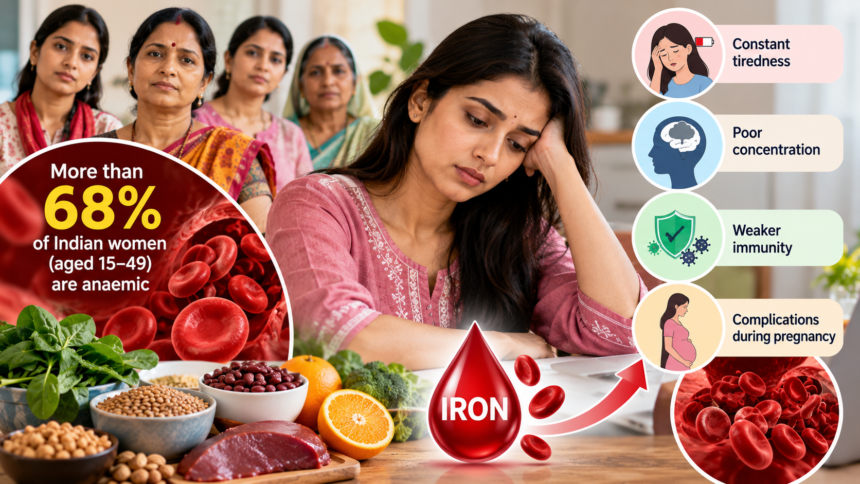
Anaemia continues to be a major health concern among women in India, with a large proportion of women affected by the condition. According to data from the National Family Health Survey-5 (NFHS-5) and related analyses, more than 68% of women between the ages of 15 and 49 are anaemic.
The figures also highlight differences between rural and urban populations. Around 70.4% of women living in rural areas were found to be anaemic, compared with 64.7% of women in urban areas. The situation is even more concerning among tribal communities, where the prevalence exceeds 80%.
These figures indicate that anaemia affects women across different age groups, economic backgrounds and geographical locations.
Jeevan Kasara, Chairman of Steris Healthcare, described iron deficiency as a widespread but often overlooked health concern among Indian women aged 20 to 40. Founded in 2018, Steris Healthcare is a growing specialty pharmaceutical company working to improve access to advanced healthcare across India.
Although iron deficiency is not the only cause of anaemia, research indicates that it contributes significantly to the condition. A global meta-analysis estimated that approximately 37% of anaemia cases among women of reproductive age are linked to iron deficiency.
Understanding the reasons behind this nutritional deficiency and taking appropriate preventive measures are important steps towards improving women’s health.
Why Is Iron Deficiency So Common Among Indian Women?
Dietary habits are among the important factors contributing to iron deficiency in India. The type of iron consumed through food can influence how effectively the body absorbs it.
Heme iron, which is present in meat, fish and poultry, is more easily absorbed by the body. In comparison, non-heme iron, found in plant-based foods such as spinach, lentils and beans, is comparatively difficult to absorb.
Since many Indian women follow vegetarian diets and only a small proportion consume meat daily, their dietary iron intake and absorption can become important concerns.
Jeevan Kasara also pointed out that food availability alone does not guarantee adequate nutrition. According to him, lifestyle patterns, dietary choices and physiological changes associated with menstruation, pregnancy and breastfeeding can make women more vulnerable to iron deficiency.
Biological factors, including heavy menstrual bleeding and repeated pregnancies, can further increase the body’s iron requirements. These challenges are often intensified by poverty, limited access to nutritious food and inadequate sanitation facilities.
Health Effects of Iron Deficiency in Women
Iron deficiency can affect several aspects of a woman’s physical and mental well-being. Its impact goes beyond general tiredness and can interfere with everyday activities and overall health.
Prolonged iron deficiency can weaken immunity, affect mental alertness and increase the time required to recover from illnesses. It can also create complications during pregnancy.
Insufficient iron levels may affect women’s energy, productivity and ability to carry out daily responsibilities. When left unaddressed, the condition can also contribute to reproductive health complications and a reduced quality of life.
How Can Women Prevent Iron Deficiency?
Addressing iron deficiency requires greater awareness about nutrition, preventive healthcare and timely intervention.
Jeevan Kasara emphasised the importance of educating women about iron-rich foods and their role in maintaining healthy iron levels. Including foods such as green leafy vegetables, beans and iron-fortified cereals in daily meals can help improve iron intake.
Combining iron-rich foods with vitamin C-rich foods can also help the body absorb iron more effectively. Where necessary, iron supplements should be taken under a doctor’s guidance.
Other important measures include regular health monitoring, healthier lifestyle practices and large-scale awareness campaigns to educate women about nutritional deficiencies.
Preventive screening and better access to nutritional information can help identify iron deficiency and address it at an early stage.
Raising Awareness About Anaemia
Iron deficiency remains an important nutritional health challenge for women across India. Addressing the issue requires a combined effort involving awareness, improved dietary habits, preventive screening and appropriate medical guidance.
By understanding their nutritional needs and recognising the importance of maintaining healthy iron levels, women can take informed steps towards improving their energy, productivity and overall well-being.