
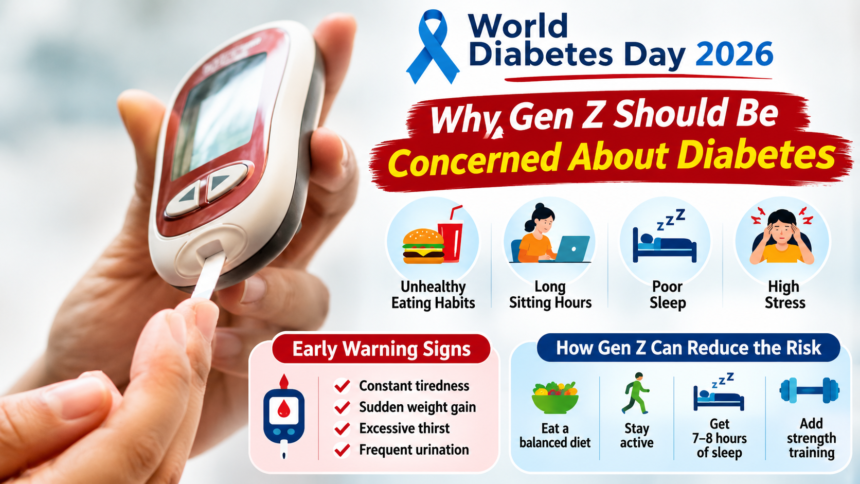
Diabetes is often associated with older adults, with many people assuming that the condition develops only after the age of 50. However, this common belief is becoming increasingly outdated. Diabetes can affect younger adults in their 20s and even teenagers, making early awareness and prevention important for the younger generation.
On World Diabetes Day 2026, healthcare experts are highlighting the growing risk of diabetes among Gen Z and encouraging young people to pay closer attention to their metabolic health.
Everyday habits such as eating instant noodles late at night, consuming sugary cold coffees and energy drinks, spending long hours sitting, sleeping late, dealing with constant stress and avoiding physical activity can negatively affect metabolic health. These lifestyle patterns may increase the risk of developing health problems, including Type 2 diabetes, at a younger age.
Diabetes Cases Among Young Indians: Why the Numbers Matter
According to the International Diabetes Federation, an estimated 38.6 million adults in India are living with undiagnosed diabetes. This represents 43% of the 89.8 million adults in the country who have the condition.
In other words, nearly one in two people with diabetes in India may be unaware of their condition. Among those affected are young working professionals who may assume that their age makes them less vulnerable.
Another concern is prediabetes, a condition in which blood sugar levels are higher than normal but have not yet reached the range associated with Type 2 diabetes. It can develop silently over five to 10 years before progressing to Type 2 diabetes.
This makes early screening and awareness particularly important, especially for young people with additional risk factors.
Why Is Gen Z Becoming More Vulnerable to Diabetes?
Changes in eating habits, work patterns and daily routines are among the factors contributing to increasing metabolic health concerns among younger people.
Here are five lifestyle-related factors that can increase the risk of diabetes:
1. Frequent Consumption of Ultra-Processed Foods
Pizza, burgers, instant noodles, packaged snacks and sugary beverages have become common parts of many young people’s diets. Regularly consuming these foods can contribute to unhealthy blood sugar fluctuations and poor metabolic health.
2. Lack of Physical Activity
Working from home, spending more than eight hours sitting and watching online content for extended periods have reduced everyday physical movement. Activities such as walking and cycling are increasingly being replaced by sedentary routines.
3. Irregular Sleep Patterns
Staying awake until 2 am and waking up late can interfere with the body’s natural sleep cycle. Poor sleep habits may also affect insulin regulation and metabolism.
4. Chronic Stress and Anxiety
Academic pressure, workplace demands, social media comparisons and constant competition can contribute to prolonged stress. Increased cortisol levels associated with stress may also affect blood sugar regulation.
5. Family History of Diabetes
Genetics can play an important role in diabetes risk. People whose parents have diabetes may have a higher likelihood of developing the condition themselves.
Early Diabetes Symptoms That Young People Should Not Ignore
Diabetes and insulin resistance do not always produce obvious symptoms in the early stages. As a result, many young people may mistake the warning signs for everyday tiredness, work pressure or other lifestyle-related problems.
Some symptoms that deserve attention include:
- Feeling exhausted even after getting sufficient sleep.
- Unexpected weight gain, particularly around the abdominal area.
- Darkened skin patches around the neck and armpits.
- Frequent hunger and increased cravings for sugary foods.
- Excessive thirst and frequent urination.
- Hair fall, acne and irregular menstrual cycles in women.
- Blurred vision and wounds that take longer to heal.
These symptoms can have several possible causes, but some may be associated with insulin resistance or diabetes. Consulting a healthcare professional and getting appropriate tests can help identify the underlying problem.
Can Type 2 Diabetes Go Into Remission If Detected Early?
One important development in diabetes care is the growing recognition that Type 2 diabetes remission is possible, particularly when the condition is identified early and appropriate interventions are introduced.
Saravanan Balakrishnan, Founder and CEO of Amura Health, emphasised the importance of identifying metabolic changes before diabetes develops.
He said, “As India faces a growing diabetes burden, we must shift our focus from managing the disease after diagnosis to identifying and addressing the metabolic changes that precede it. More importantly, while Type 2 diabetes has long been considered a progressive, lifelong condition, medical research has demonstrated that remission is possible, particularly with early intervention.”
He further highlighted that the challenge is not simply generating medical knowledge but ensuring that existing research and medical understanding reach practising doctors and become part of routine patient care.
What Can Gen Z Do to Reduce the Risk of Diabetes?
Preventing diabetes does not necessarily require an expensive gym membership or an extremely restrictive diet. Building healthier daily habits and maintaining consistency can make a meaningful difference.
Here are five practical steps young people can consider:
1. Start Health Screening Early
Young adults with a family history of diabetes, abdominal obesity or PCOS should discuss appropriate screening with their doctors. Tests such as HbA1c and fasting blood glucose can help assess blood sugar levels. Fasting insulin testing may also be considered when clinically appropriate.
2. Follow a Balanced Diet
The 50-25-25 plate method is one way to organise everyday meals. It includes 50% vegetables, 25% protein and 25% complex carbohydrates. Reducing sugary beverages is another important dietary step.
3. Walk After Meals
A short 10-minute walk after lunch and dinner can help support better blood sugar management. Including regular movement throughout the day can also reduce the effects of prolonged sitting.
4. Maintain a Consistent Sleep Schedule
Aim for seven to eight hours of sleep every night. Maintaining regular sleeping hours supports the body’s metabolic processes and overall health.
5. Include Strength Training
Building and maintaining muscle mass can support better glucose regulation. Even three days of bodyweight exercises each week can help introduce strength training into a regular fitness routine.
Conclusion
World Diabetes Day 2026 highlights an important message for Gen Z: diabetes is not exclusively a health concern for older adults. Younger people can also develop insulin resistance, prediabetes and Type 2 diabetes, particularly when unhealthy lifestyle habits and other risk factors go unaddressed.
Recognising early symptoms, undergoing appropriate health screenings and making consistent changes to diet, physical activity, sleep and stress management can help protect long-term metabolic health.
Taking preventive steps today can make a significant difference to the health and well-being of the younger generation in the years ahead.