
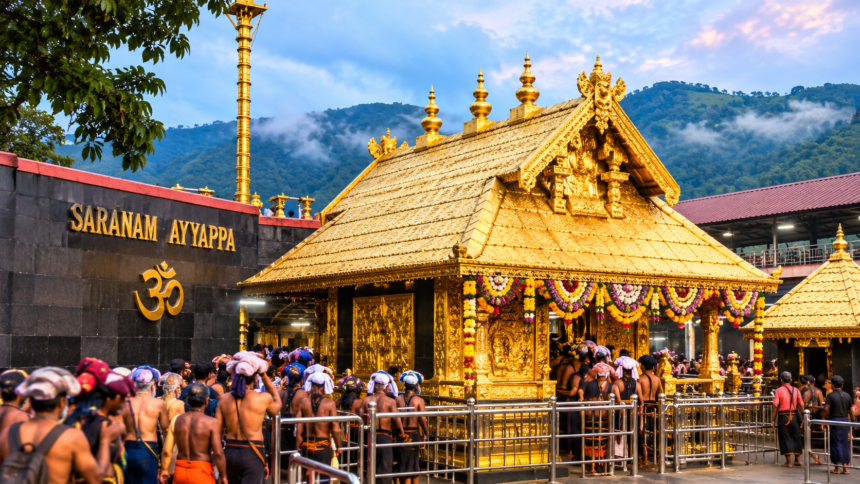
Every year, lakhs of devotees undertake the challenging pilgrimage to Sabarimala, combining religious devotion with a physically demanding trek. With preparations underway for the 2026-27 Mandala-Makaravilakku season, the Kerala Health Department has released important health and safety recommendations for pilgrims.
The journey requires considerable physical effort, particularly for devotees who have been following weeks of fasting and dietary restrictions. To help prevent medical emergencies during the pilgrimage, the department has issued guidelines highlighting the importance of medical check-ups, regular medication, proper nutrition and recognising warning signs.
If you or your family members are planning to visit Sabarimala this season, here are the key precautions to follow.
Why Has Kerala’s Health Department Issued These Guidelines?
The Sabarimala pilgrimage involves strenuous physical activity, which can become particularly challenging after several weeks of fasting and changes in regular eating habits.
Devotees with existing health conditions, including heart disease, diabetes and high blood pressure, may face additional risks during the trek. Those with limited physical fitness also need to take extra precautions, as sudden exertion can potentially lead to serious cardiac complications.
In view of these concerns, the Kerala Health Department issued its advisory on November 22, outlining essential precautions to help pilgrims complete their journey safely.
5 Important Fitness and Safety Guidelines for Sabarimala Pilgrims
1. Complete a Medical Check-Up Before Starting the Journey
Pilgrims with a history of heart-related problems should undergo a comprehensive medical examination before travelling. They should also obtain fitness clearance from their doctor before attempting the trek.
People who have recently experienced a heart attack or undergone heart surgery should avoid undertaking the pilgrimage without consulting a specialist.
It is equally important for individuals with diabetes, hypertension or high cholesterol to ensure that these conditions are properly managed before beginning the journey.
2. Trek at a Pace That Matches Your Physical Fitness
Devotees should climb according to their individual stamina rather than trying to keep up with younger or physically fitter pilgrims.
Walking too quickly, running or pushing through crowded areas can increase physical strain. Taking regular breaks during the trek is important to avoid excessive exertion and allow the body to recover.
3. Continue Taking Prescribed Medicines
Pilgrims should not interrupt their regular medication during the pilgrimage. Those managing existing health conditions must follow their prescribed treatment schedules throughout the journey.
If you regularly use an inhaler, blood pressure monitor or medication for controlling blood sugar, make sure these essentials are readily available during the trek.
4. Eat Properly and Stay Hydrated Before the Trek
Starting the pilgrimage without eating can increase the risk of weakness and physical discomfort. Devotees are advised to have a light but nutritious meal before beginning the climb.
Drinking sufficient water at regular intervals is equally important to maintain hydration during the physically demanding journey. Pilgrims should avoid undertaking the trek on an empty stomach.
5. Recognise the Warning Signs of a Cardiac Emergency
The Health Department has highlighted several symptoms that pilgrims should never ignore. These signs may indicate a cardiac emergency and require immediate medical attention.
The warning symptoms include:
- Chest pain, heaviness, tightness or discomfort.
- Difficulty in breathing or breathlessness.
- Excessive sweating.
- Dizziness or fainting.
- Unusual changes in heartbeat.
- Sudden and extreme tiredness.
- Pain spreading towards the arms, jaw or back.
If any of these symptoms occur during the pilgrimage, they should be treated as an emergency rather than dismissed as ordinary tiredness.
Final Take
The Kerala Health Department’s advisory aims to help devotees undertake the Sabarimala pilgrimage with greater awareness and preparation. Although the journey holds deep religious significance, maintaining physical health and recognising personal fitness limitations are equally important.
Getting a medical check-up, carrying prescribed medicines, eating properly, drinking enough water and avoiding excessive physical exertion can help reduce health risks during the trek.
Pilgrims should pay attention to their body’s warning signs and prioritise their health throughout the journey to ensure a safer pilgrimage and a peaceful darshan.