
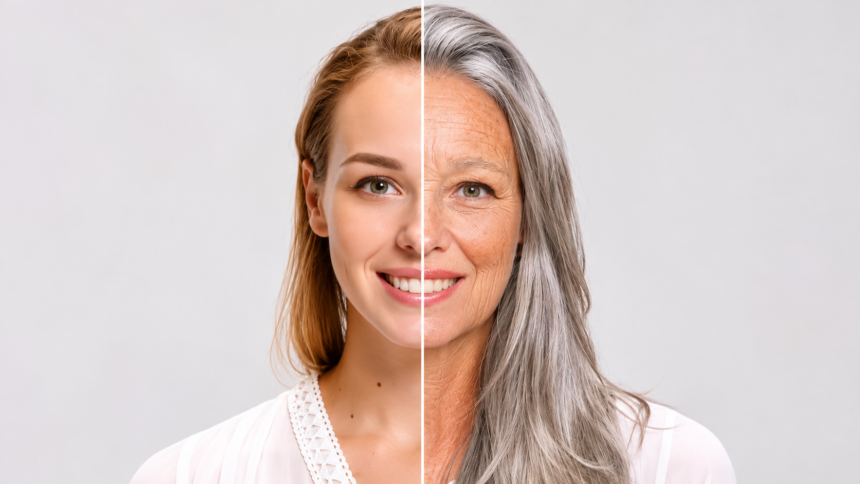
When it comes to anti-ageing skincare, most people concentrate on their face. Fine lines, wrinkles and dark spots often become the primary concerns, leading people to invest in facial creams, serums and other treatments. However, ageing does not affect the face alone. Several other parts of the body can also reveal visible signs of ageing, sometimes even before facial changes become noticeable.
Changes in skin colour, texture, firmness and elasticity can indicate the natural ageing process. Areas such as the neck, hands, eyes and knees are particularly worth paying attention to. Here are six body parts that can show signs of ageing and some ways to take care of them.
6 Body Parts That Show Signs of Ageing
1. Neck
The neck is often overlooked in daily skincare routines, despite having delicate skin that is vulnerable to sun exposure and age-related changes. While many people regularly apply sunscreen and anti-ageing products to their faces, they often forget to extend the same care to their necks.
Over time, reduced skin elasticity can result in loose and sagging skin, sometimes described as a ‘turkey neck’. Regular moisturising and sun protection can help maintain the skin’s condition. Applying sunscreen and moisturiser to the neck every day is an important part of a complete skincare routine.
2. Hands
Hands can be among the first areas to reveal visible signs of ageing. Their skin is relatively thin and regularly exposed to environmental factors, water, cleaning products and physical activities.
As the skin ages, it gradually loses moisture and elasticity. The underlying fat can also decrease, making the hands appear thinner, more fragile and veiny. Hormonal changes in women may further affect skin elasticity and contribute to these changes.
To care for ageing hands, apply moisturiser regularly, preferably one containing ceramides to support the skin’s moisture barrier. Sunscreen can help protect against UV damage, while wearing gloves during household activities such as washing dishes can reduce exposure to water and cleaning products.
3. Eyes and Eyelids
The skin around the eyes is particularly delicate and can develop visible signs of ageing relatively early. Repeated facial movements, including smiling and squinting, contribute to fine lines and wrinkles. Sun exposure can further affect the skin, making it thinner over time.
Ageing can also affect the muscles and supporting tissues around the eyes. This may result in stretched or drooping eyelids and more noticeable under-eye bags.
Wearing sunglasses can help protect the eye area from harmful UV rays while reducing squinting in bright sunlight. Getting around eight hours of sleep and using eye creams containing ingredients such as peptides and caffeine may also help improve the appearance of fine lines and dark circles.
4. Lips
Ageing can also become visible around the lips. Fine lines that develop around the mouth are commonly known as ‘lipstick lines’. These wrinkles are associated with natural ageing, sun exposure and repeated movements, such as pursing the lips while drinking through straws or water bottles.
As the skin loses its natural elasticity and moisture, these lines can become more noticeable.
Using a lip balm with SPF can help protect the lips from sun damage. Hydrating skincare ingredients such as hyaluronic acid and peptides may also help improve moisture and the appearance of the lip area. Limiting repetitive movements that strain the surrounding skin can be another useful step.
5. Knees and Elbows
Knees and elbows are often neglected when it comes to skincare, even though they can develop noticeable changes with age. These areas have less cushioning from underlying fat, making changes in skin firmness and texture more visible.
Around the knees, ageing may contribute to loose skin and a hollow appearance. Elbows, meanwhile, experience frequent pressure and friction from everyday activities, which can leave the skin feeling rough, dry and leathery.
Regular exfoliation and moisturising can help improve the appearance of these areas. Products containing urea or salicylic acid may help remove dead skin cells, soften rough patches and promote smoother skin texture.
6. Hair
Hair greying and thinning are among the most recognisable signs of ageing. As people grow older, the pigment-producing cells responsible for hair colour gradually decrease, resulting in grey or white strands.
However, not everyone experiences greying at the same age. Premature greying before the age of 30 can sometimes be linked to hereditary factors.
Although there is no proven method to completely prevent natural greying, maintaining overall hair health remains important. Nutritional deficiencies, particularly involving vitamin B12, folic acid and biotin, may contribute to premature greying. Hydrogen peroxide build-up in hair and oxidative stress caused by free radicals may also play a role in the process.
A Quick Guide to Signs of Ageing and Prevention
| Body part | Common signs of ageing | Ways to care for it |
|---|---|---|
| Neck | Loose and sagging skin | Apply sunscreen and moisturiser regularly |
| Hands | Reduced elasticity, thinner skin and visible veins | Use moisturiser containing ceramides and sunscreen |
| Eyes and eyelids | Fine lines, wrinkles, thinner skin and under-eye bags | Wear sunglasses, get adequate sleep and use suitable eye creams |
| Lips | Fine lines around the mouth | Apply lip balm with SPF and hydrating ingredients |
| Knees and elbows | Loose skin, roughness and hollowness | Use moisturisers containing urea or salicylic acid |
| Hair | Greying and thinning | Maintain hair health and ensure adequate intake of essential vitamins |
Final Thoughts
Although the face usually receives the most attention in anti-ageing skincare, other parts of the body can also reveal visible changes over time. The neck, hands, eyes, lips, knees, elbows and hair all deserve attention as part of an overall personal care routine.
Following simple habits such as applying sunscreen, moisturising regularly, maintaining a balanced diet and taking proper care of your hair can help support healthy skin and hair as you age. A consistent head-to-toe care routine is just as important as looking after your face.