
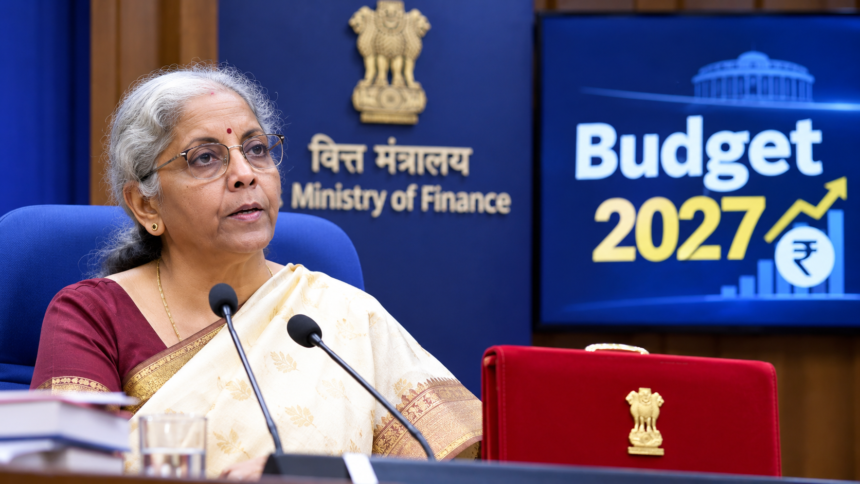
Ahead of the Union Budget 2027, trade unions have submitted a series of demands to Finance Minister Nirmala Sitharaman, seeking better wages, improved retirement benefits and wider social security coverage for workers across the country.
Among their major proposals are a minimum monthly salary of ₹42,000 for all workers, an increase in the maximum gratuity limit from ₹20 lakh to ₹40 lakh and additional welfare measures for gig and informal sector employees.
These demands were raised during the pre-budget consultation meeting held in New Delhi on November 20. According to sources present at the meeting, union representatives highlighted the growing financial pressure on workers due to inflation and rising living expenses.
Trade Unions Seek Gratuity Limit of ₹40 Lakh
One of the major proposals concerns increasing the maximum gratuity payment available to employees at retirement or when leaving employment after fulfilling the required conditions.
Trade unions have requested that the existing gratuity ceiling of ₹20 lakh be raised to ₹40 lakh.
They have also suggested revising the calculation method. Under the current system mentioned in the proposals, gratuity is calculated at 15 days’ salary for every completed year of service. The unions want this calculation increased to 21 days’ salary per year.
According to the unions, these changes would provide greater financial assistance to retiring employees and help them manage expenses amid rising inflation.
CITU Demands ₹42,000 Minimum Monthly Salary
The Centre of Indian Trade Unions (CITU) has called for a minimum monthly wage of ₹42,000 for workers across the country.
The organisation believes that the proposed wage level is necessary to help employees cope with increasing living costs and inflation.
CITU has also demanded the withdrawal of the four labour codes introduced in November 2025. It wants the government to restore the protections and employment rights available under the earlier labour laws.
Social Security Benefits for Gig and Informal Workers
The Trade Union Coordination Centre (TUCC) has proposed creating a dedicated social security fund for gig and platform-based workers.
Under the proposal, online platform companies would contribute towards the fund, which could provide benefits such as health insurance and accident coverage to delivery partners and other gig workers.
The organisation has also recommended extending these benefits to eligible workers registered on the e-Shram portal.
In addition, TUCC has called for separate welfare boards for fishermen, street vendors and road transport workers to improve social security and support for these sections of the workforce.
Salary Hike Demands for ASHA and Anganwadi Workers
Trade unions have also raised the issue of increasing payments for ASHA and Anganwadi workers, who play an important role in community-level services.
Their proposed minimum monthly salary structure is as follows:
- ASHA workers: ₹10,000
- Anganwadi workers: ₹15,000
- Anganwadi helpers: ₹12,000
Another proposal seeks a government-funded family health insurance scheme for low-income individuals who have paid income tax regularly for five consecutive years. The scheme would provide free health insurance coverage to eligible families.
What Trade Unions Expect from Budget 2027
According to TUCC National General Secretary SP Tiwari, the proposals are aimed at improving workers’ financial conditions, expanding social security protection and creating better employment opportunities.
The demands cover several areas, including minimum wages, gratuity payments, retirement security, healthcare facilities and protection for workers in the informal economy.
However, all these proposals are currently demands submitted by trade union representatives. They have not been approved by the government, and their acceptance will depend on the government’s decisions and announcements in connection with Budget 2027.
Disclaimer: This article is based on demands and proposals reportedly submitted by trade unions during the pre-budget consultation meeting. These demands should not be considered approved government policies or confirmed Budget 2027 announcements. Final decisions will depend on official government notifications and the Union Budget.