
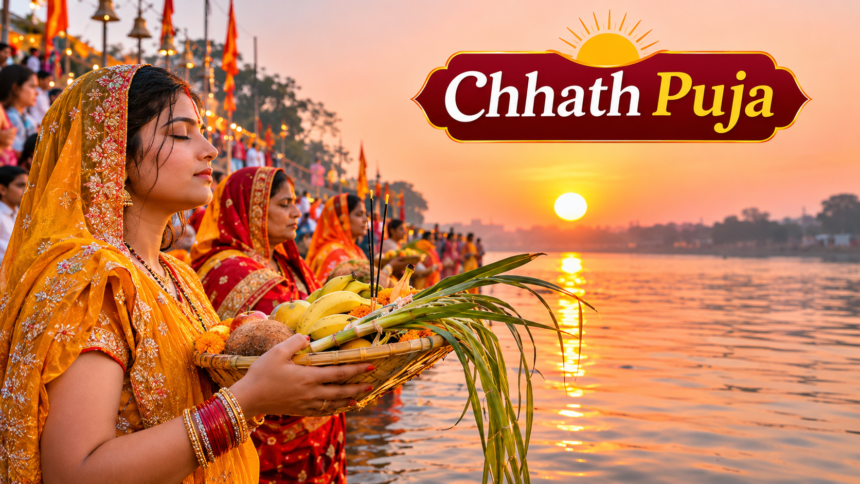
New Delhi: Chhath Puja is regarded as one of the most sacred and ancient festivals in Indian tradition. Also known as the Mahaparv of Sanatan Dharma, the festival is celebrated with great devotion in Bihar, Jharkhand, eastern Uttar Pradesh and Nepal’s Terai region. Dedicated to Lord Surya (the Sun God) and Chhathi Maiya, Chhath Puja is associated with prosperity, family well-being and the protection of children.
Unlike many other festivals that involve elaborate decorations and celebrations, Chhath Puja is observed through simplicity, self-discipline and deep respect for nature. Devotees observe strict fasts, prepare traditional prasad using earthen stoves and offer prayers to both the setting and rising Sun.
The four-day celebration begins with Nahay Khay and concludes with Usha Arghya. Every ritual reflects gratitude towards nature, spiritual discipline and the importance of maintaining harmony with the natural world.
But what makes Chhath Puja so special, and why is it known as Mahaparv? Here are six important reasons behind its religious and cultural significance.
Why Is Chhath Puja Known as Mahaparv? 6 Important Reasons
1. Worship of the Sun and Nature
One of the most distinctive aspects of Chhath Puja is the worship of both the setting and rising Sun. Devotees offer Arghya to Lord Surya, expressing gratitude for the energy, light and life that nature provides.
Praying to the setting Sun represents respect for every phase of life, while offering prayers to the rising Sun symbolises hope, renewal and new beginnings. The festival highlights the close relationship between human life and the natural environment.
2. Strict Fasting and Spiritual Discipline
Chhath Puja is known for its demanding rituals and emphasis on physical and mental purity. Devotees follow specific rules throughout the four-day celebration, including maintaining cleanliness, observing celibacy and undertaking strict fasts.
Some devotees also observe Nirjala Vrat, a fast without food or water. Preparing prasad and following traditional rituals with dedication require patience, discipline and strong faith.
These practices make Chhath Puja a festival of devotion, self-control and spiritual commitment.
3. Worship Without Idols or Priests
Another distinctive feature of Chhath Puja is that devotees do not require idols or priests to perform the main rituals. Worship takes place directly in the presence of natural elements, particularly the Sun and water.
Devotees gather near rivers, ponds and other water bodies to offer Arghya while following traditional customs. This direct form of worship reflects simplicity and a deep spiritual connection with nature.
4. Promotes Equality and Community Participation
Chhath Puja carries a strong message of social harmony and equality. At the ghats, people from different communities and social backgrounds gather together to offer prayers to the Sun God.
The festival encourages collective participation, cooperation and mutual respect. Families and neighbours often help one another with preparations, prasad and arrangements at the ghats.
This shared celebration strengthens community relationships and brings people together through devotion.
5. Connection With the Environment and Well-Being
Chhath Puja places considerable importance on cleanliness, natural surroundings and traditional practices. Preparing offerings with natural ingredients and performing rituals near water bodies highlight the importance of respecting the environment.
Fasting also encourages discipline in eating habits, while spending time outdoors during sunrise and sunset brings devotees closer to nature.
The festival therefore reflects a traditional understanding of the relationship between personal well-being, cleanliness and the natural environment.
6. Ancient Religious and Cultural Heritage
Chhath Puja is closely connected with India’s ancient religious and cultural traditions. References associated with Sun worship appear in ancient scriptures, including the Rigveda and the Mahabharata.
According to traditional accounts, Kunti, Karna and Draupadi are associated with Sun worship and rituals performed to seek divine blessings.
The continued observance of Chhath Puja across generations has helped preserve its traditional customs and spiritual importance. It remains an important part of India’s living cultural heritage.
Chhath Puja: A Festival of Faith, Purity and Nature
Chhath Puja is called Mahaparv because it brings together devotion, discipline, equality and respect for nature. The festival goes beyond religious rituals by highlighting the importance of family, community participation and gratitude towards the natural world.
Rooted in the traditions of Sanatan Dharma, Chhath Puja celebrates the relationship between human beings and the forces of nature. Its simplicity, strict observances and collective spirit make it one of India’s most distinctive traditional festivals.
The celebration continues to pass from one generation to another, keeping its religious values and cultural traditions alive.