
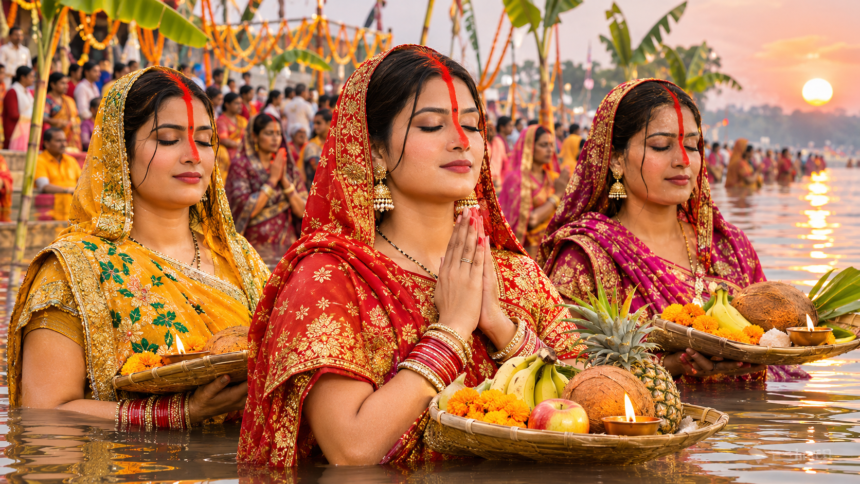
Chhath Mahaparv is celebrated with immense faith, dedication and discipline. One of its most significant rituals is the 36-hour Nirjala Vrat, during which devotees refrain from consuming both food and water. While the tradition holds deep cultural and religious importance, such prolonged fasting can also bring several physiological changes to the body.
For women, these changes may vary depending on hormonal levels, menstrual cycles and individual health conditions. Dr. Asjad Ahmed Khan, BAMS, PGDEMS, explains how the female body responds during the strict Chhath fast and why understanding these changes is important for women’s health.
What Happens to the Body During 36 Hours Without Food and Water?
When the body goes without food and water for an extended period, it gradually changes how it produces and uses energy. These changes take place in different stages throughout the fasting period.
First 6 Hours of Fasting
After the final meal, known as Kharna, the body initially uses glucose circulating in the bloodstream and nutrients absorbed through the digestive system.
As the available glucose begins to decrease, insulin levels also fall. The body gradually transitions from its normal feeding state into fasting mode. Most women may feel relatively normal during these initial hours, although thirst can begin to develop.
6–12 Hours of Fasting
As blood glucose levels decline, the liver starts breaking down its stored glycogen through a process called glycogenolysis. This helps maintain the required glucose levels in the bloodstream.
Glycogen acts as the body’s backup energy reserve during this stage. Some women may begin experiencing hunger, mild exhaustion and irritability, particularly during the night.
12–24 Hours of Fasting
After the first 12 hours, the body increasingly relies on other energy sources. Through gluconeogenesis, it starts producing glucose from non-carbohydrate sources, including amino acids. At the same time, the body begins using more fatty acids for energy.
During this period, women may experience headaches, weakness, reduced energy and increased thirst. As water intake remains restricted, the body also begins conserving fluids, while dehydration can gradually become more pronounced.
24–36 Hours of Fasting
The final stage, leading up to Usha Arghya, can be particularly challenging for devotees.
Prolonged water deprivation can cause dehydration, reduced urine output and dryness in the mouth. Dizziness and weakness may also become more noticeable. At this stage, the risk of electrolyte disturbances can increase, making the body more vulnerable to complications.
How Does a 36-Hour Nirjala Fast Affect Women’s Bodies?
The physical response to prolonged fasting can differ among women. Hormonal changes and menstrual health are important factors that may influence how the body manages hunger, hydration and energy levels.
1. Hormonal Regulation
Oestrogen and progesterone play important roles in regulating appetite, fluid balance and metabolism. Consequently, fasting during PMS, menstruation or perimenopause may make certain symptoms more difficult to manage.
Women may experience increased mood swings, menstrual cramps, fatigue and headaches during these periods.
2. Electrolyte Balance
Going without water for an extended period can affect the body’s fluid and electrolyte balance, including sodium levels. Such disturbances may contribute to muscle cramps, heart palpitations and severe weakness.
Maintaining proper hydration before and after the fast is therefore important.
Who Should Avoid the Strict 36-Hour Nirjala Vrat?
Although Chhath fasting is an important religious tradition, a strict dry fast may not be suitable for everyone. Certain health conditions can increase the risks associated with prolonged food and water deprivation.
The following groups should avoid undertaking a strict Nirjala fast without appropriate medical advice:
- Pregnant and breastfeeding women.
- Women with diabetes, particularly those taking insulin or sulfonylureas.
- Women with kidney or cardiovascular diseases.
- Women experiencing anaemia, low blood pressure or recurrent fainting.
- Women suffering from fever, vomiting or diarrhoea during the fasting period.
How to Prepare Your Body Before and After Chhath Fasting
Taking appropriate precautions before and after the vrat can help reduce some of the physical challenges associated with fasting.
Before Kharna: Maintain adequate hydration during the 24 hours before the fast. Have a balanced meal containing complex carbohydrates, protein and salt. Avoid excessive consumption of tea and coffee.
During the Fast: Prioritise rest and avoid unnecessary physical exertion. Stay away from direct sunlight, avoid heavy household work and sit while preparing prasad whenever possible. Limit prolonged standing to reduce the chances of dizziness and exhaustion.
After the Fast: Avoid consuming a heavy meal immediately. Gradually resume eating and drinking. Start with fluids such as coconut water and fruits, followed by prasad. You can then have a light meal such as khichdi.
Final Thoughts
Chhath Mahaparv represents devotion, discipline and determination. However, understanding how prolonged fasting affects the body is equally important, particularly for women with different hormonal and health conditions.
Anyone observing the 36-hour Nirjala Vrat should pay attention to physical warning signs and avoid ignoring symptoms such as severe dizziness, fainting or palpitations. People with underlying health conditions should consult a healthcare professional before undertaking the fast.
Faith and health should go hand in hand. Following appropriate precautions and respecting the body’s limitations can help devotees observe Chhath Puja with greater awareness and safety.