
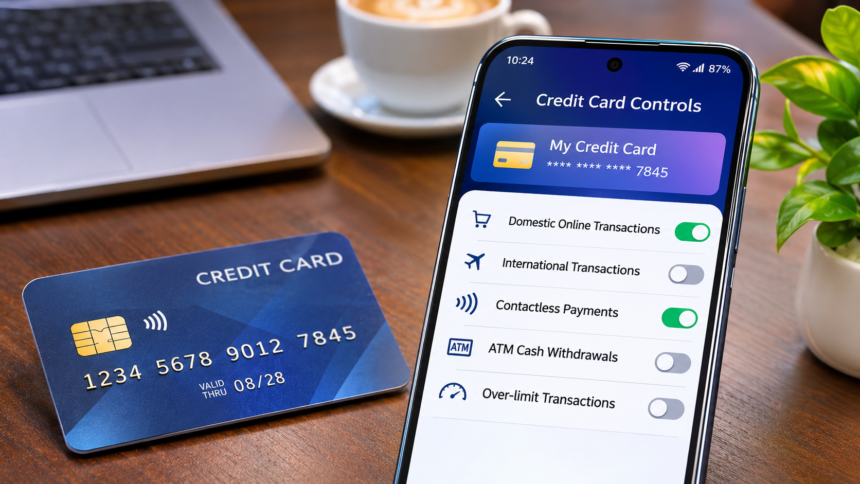
Credit cards make shopping, bill payments and other financial transactions convenient. However, keeping every payment facility active at all times can increase the risk of unauthorised transactions. Many cardholders continue using their cards with all transaction channels enabled, even when they rarely need certain facilities.
Banks provide several security controls through mobile banking applications and internet banking portals. These allow customers to activate or deactivate specific transaction facilities, change spending limits and restrict card usage according to their requirements.
Financial safety experts recommend reviewing these settings regularly. Disabling unnecessary facilities and setting appropriate transaction limits can help reduce the chances of credit card fraud.
Here are five important credit card settings that every cardholder should check.
RBI Rules: Banks Must Allow Customers to Control Credit Card Transactions
The Reserve Bank of India (RBI), through its January 2020 circular, instructed card-issuing banks to provide customers with greater control over their card transactions.
Under these guidelines, customers should be able to switch different transaction channels on or off and set or modify transaction limits for domestic and international payments.
These controls cover:
- Point-of-Sale (PoS) transactions.
- ATM withdrawals.
- Online payments.
- Contactless transactions.
The RBI also specified that these facilities should remain available 24 hours a day through multiple channels, including mobile banking applications and internet banking.
The objective is to give cardholders the flexibility to manage their cards according to their spending habits rather than keeping every transaction facility active by default.
5 Credit Card Settings You Should Review
1. Domestic Online Transactions
Domestic online transaction settings allow customers to make payments on shopping websites, food delivery applications, travel portals and subscription platforms without physically presenting their cards.
If you rarely use your credit card for online purchases, consider keeping this facility switched off when it is not required.
You can also set a daily transaction limit based on your usual spending requirements. This helps restrict the amount that could potentially be used in an unauthorised online transaction.
2. International Transactions
International transaction facilities allow credit cards to be used for overseas payments and purchases on foreign websites.
If you do not travel abroad or regularly purchase products from international websites, keeping this feature disabled may be a sensible precaution.
You can activate international usage whenever you need it. RBI guidelines also allow customers to manage international transactions separately from domestic transactions.
3. Contactless Payments
Contactless credit cards allow customers to complete payments by simply tapping their cards on compatible payment terminals.
Although this facility makes payments quicker, it also carries certain security risks. For example, a lost or stolen card could potentially be used for eligible contactless transactions without entering a PIN.
Contactless transactions of up to Rs 5,000 can be made without additional factor authentication under the applicable rules. Cardholders can consider setting a lower transaction limit or disabling the facility if they do not regularly use it.
4. ATM Cash Withdrawals
Credit cards can also be used to withdraw cash from ATMs. However, cash withdrawals through credit cards can be expensive.
As an additional security measure, check whether your bank allows you to disable ATM cash withdrawals or reduce the permitted withdrawal limit.
If you rarely need this facility, restricting it can help prevent unwanted cash withdrawals in case your card is lost or stolen.
5. Over-Limit Transactions
An over-limit transaction allows a cardholder to spend beyond the credit limit approved by the bank.
This facility requires the bank to obtain the cardholder’s explicit consent before allowing spending beyond the sanctioned limit.
If you do not need additional spending capacity, keeping the over-limit facility disabled can help prevent transactions from exceeding your approved credit limit.
Why You Should Check Your Credit Card Security Settings Regularly
Credit card security is not limited to protecting your PIN or keeping your card details private. Managing transaction channels and spending limits is equally important.
Most banks offer these controls through their mobile applications and internet banking services. Cardholders should review their settings, disable facilities they rarely use and activate them only when necessary.
Taking a few minutes to check these options can help improve control over credit card usage and reduce exposure to unnecessary financial risks.
Disclaimer: This article is intended for general informational purposes only and does not constitute financial or banking advice. Credit card controls, transaction limits and security features may vary between banks and card providers. Customers should check their bank’s latest terms and conditions and contact the issuing bank for clarification before changing their card settings.