
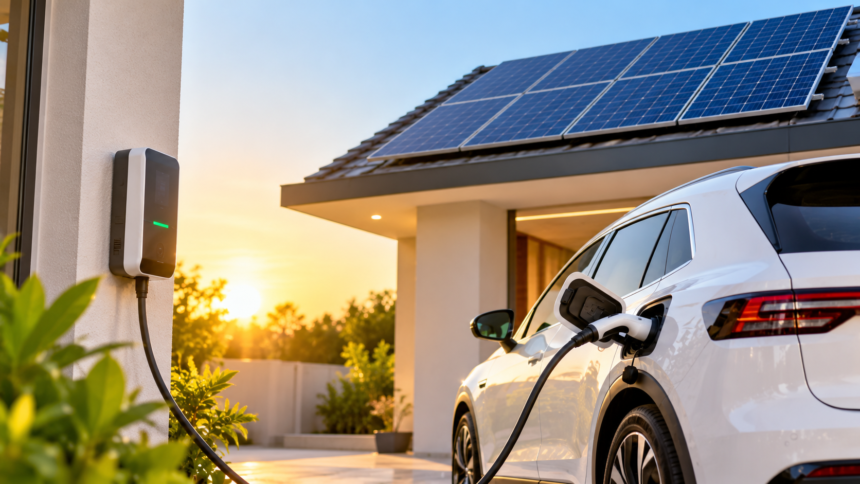
Installing rooftop solar panels and charging an electric vehicle (EV) at home can help households reduce their energy and transportation expenses. However, the actual savings depend on several factors, including monthly electricity consumption, local power tariffs, daily driving distance and the cost of installation.
Homes with higher electricity bills and greater vehicle usage may recover their investment sooner than households with lower consumption. Before making a decision, it is important to compare the initial costs with the savings expected over time.
Rooftop Solar Cost, Subsidy and Payback Period
A 3 kW rooftop solar system can generate approximately 360 to 400 units of electricity per month. Based on installer estimates, the installation cost generally ranges from ₹1.6 lakh to ₹2.2 lakh before subsidies. Actual prices may vary depending on the location and installation requirements.
The PM Surya Ghar scheme provides central financial assistance for eligible residential rooftop solar installations. The subsidy structure outlined here provides ₹30,000 per kW for the first two kilowatts and ₹18,000 for the third kilowatt.
This brings the maximum central subsidy for a 3 kW system to ₹78,000. Some states may provide additional assistance. After the central subsidy, the estimated cost of a 3 kW system could fall to approximately ₹82,000 to ₹1.42 lakh, excluding any additional state support.
For households paying between ₹2,000 and ₹6,000 in monthly electricity bills, the investment may be recovered within three to five years, depending on consumption and actual savings. Solar panels can last around 25 years, potentially providing savings for many years after the initial investment has been recovered.
Households with monthly bills below ₹800 may need approximately six to eight years to recover the cost.
Is a Larger Solar System or Battery Worth the Cost?
Installing a bigger solar system does not necessarily mean proportionately higher savings. Under the subsidy structure described above, a 5 kW system receives the same maximum central assistance of ₹78,000 as a 3 kW system.
Battery storage also affects the overall investment. Adding a battery to a hybrid solar system can increase the initial cost by approximately 60% to 100%. Recovering this additional expense may take seven to nine years, depending on electricity usage and the benefits gained from stored power.
Homeowners should therefore assess their actual energy requirements before choosing system capacity or adding battery storage.
Home EV Charging: How Much Can You Save?
Charging an electric vehicle at home can substantially reduce running costs compared with driving a similar petrol-powered car.
Home electricity typically costs around ₹6 to ₹9 per unit. Based on the estimates provided, this can translate to an EV running cost of approximately ₹1 per kilometre, compared with around ₹7 to ₹8 per kilometre for a similar petrol car.
Public fast charging is generally more expensive. Rates can range from ₹18 to ₹25 per unit, raising the estimated EV running cost to approximately ₹2.50 to ₹3 per kilometre. Drivers who depend heavily on public charging may therefore save less than those who charge their vehicles at home.
Home charging can be set up using a 15A electrical socket or an AC wallbox. A wallbox can provide faster charging but increases the installation expense. Residents of apartment complexes may also need permission from their housing society before installing charging equipment.
Combining Solar Panels With Home EV Charging
Households with rooftop solar can potentially reduce EV charging costs further by charging their vehicles during daylight hours, when solar electricity is being generated.
This arrangement can be particularly useful for people whose vehicles remain parked at home during the day. However, the financial benefit depends on the installation cost, electricity consumption patterns and how much solar-generated power the household can use directly.
Before investing, homeowners should evaluate their monthly electricity bills, local electricity rates, available roof space, shading conditions and average driving distance. Comparing written quotations from local installers can also help establish the actual cost.
Smaller electricity bills and shorter driving distances generally mean lower potential savings and a longer payback period.
Disclaimer: This article is intended for general informational purposes only and does not constitute financial, technical or investment advice. Solar generation, installation costs, subsidy eligibility, electricity tariffs and EV running expenses can vary by location and individual circumstances. Subsidy amounts and scheme conditions should be verified through official government sources before installation. Readers should obtain local quotations and consult qualified solar and EV charging professionals before making purchasing decisions.