
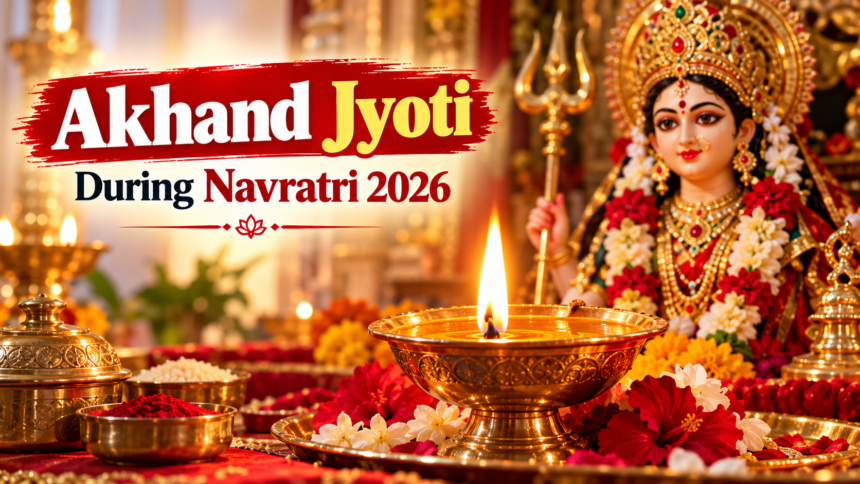
New Delhi: During Navratri, many devotees light a diya in front of Maa Durga and make a spiritual vow to keep it burning continuously for all nine days. Known as Akhand Jyoti, the sacred flame represents devotion, faith and a commitment to regular worship.
Shardiya Navratri begins on October 11, 2026. As devotees prepare for Ghatasthapana and other rituals, questions often arise about the significance of Akhand Jyoti, the choice between ghee and oil, and the steps to follow if the flame accidentally goes out.
What Is the Significance of Akhand Jyoti During Navratri?
The word Akhand means uninterrupted, while Jyoti refers to light. In Hindu worship, the continuously burning lamp symbolises divine light, the removal of ignorance and an enduring connection with Maa Durga.
Lighting the Akhand Jyoti is also associated with sankalp, or a spiritual vow. Keeping the flame alight throughout Navratri requires regular attention and dedication. For devotees who follow this tradition, the lamp serves as a reminder to maintain their faith throughout the day, beyond morning prayers and evening aarti.
However, keeping a lamp burning continuously is not a universal requirement for every household. Some families observe this practice as part of a specific vow, while others worship Maa Durga through daily puja and aarti. Customs can vary according to regional traditions and family beliefs.
Should You Use Ghee or Oil for Akhand Jyoti?
Pure desi ghee is traditionally used by many devotees for Akhand Jyoti. Other households prefer mustard oil or sesame oil, depending on their established customs. The choice is not the same for every family, and devotees may follow their own religious traditions.
The diya should be sturdy, stable and suitable for the intended burning period. Using an appropriate cotton wick and placing the lamp on a firm, heat-resistant surface can help reduce the risk of accidents.
Devotees commonly place the lamp in their home temple or near the Ghatasthapana arrangement. It should be kept well away from curtains, clothing, paper, flowers and other flammable materials. The diya must also remain out of children’s reach.
Check the wick and fuel regularly, and make sure a responsible adult can supervise the flame. Maintaining a religious tradition should never come at the expense of fire safety. An Akhand Jyoti must not be left unattended simply to keep it burning continuously.
What Should You Do If the Akhand Jyoti Goes Out?
Devotees who have taken a vow to maintain the Akhand Jyoti may feel concerned if the flame goes out. However, an accidental interruption does not automatically mean that something unfortunate will happen.
First, check the likely cause. The lamp may have run out of fuel, the wick may have moved, or a draft may have extinguished the flame.
One traditional method mentioned in Navratri guidance involves lighting a separate auxiliary lamp, sometimes called a Karma Deep, before lighting the main Akhand Jyoti. If the main flame goes out, devotees following this practice can light the auxiliary diya first and then relight the main lamp. They may also offer a prayer to Maa Durga, seeking forgiveness and expressing their continued devotion.
Ritual procedures differ between families and traditions. If you have taken a specific religious vow, you can follow your family’s customary practice or seek guidance from your priest.
Safety should always come first. If oil or ghee has spilled, or the diya is dangerously hot, do not attempt to relight it immediately. Allow the situation to become safe before proceeding.
How to Keep Akhand Jyoti Burning for Nine Days
Careful preparation can help devotees maintain the lamp throughout Navratri. Before beginning the ritual, arrange an appropriate diya, sufficient fuel and a suitable wick. Choose a stable location where the flame is protected from strong air currents and kept away from combustible materials.
Check the lamp during daily worship and at regular intervals, including before going to bed. Ensure that the flame remains in a safe position and that any necessary attention can be provided by a responsible adult.
When Navratri concludes, follow the customary procedure in your household for completing the ritual. Practices for handling the lamp and the remaining puja materials may differ according to family and regional traditions.
The purpose of Akhand Jyoti is to express faith and sustained devotion, rather than create fear over an accidental mistake. As Shardiya Navratri 2026 begins, the sacred flame can serve as a reminder of sincerity, discipline and devotion to Maa Durga.
Disclaimer
This article is intended for general informational and cultural purposes. Religious practices, rituals and interpretations associated with Akhand Jyoti may vary across regions, families and traditions. The information presented here should not be considered a universal religious instruction. For guidance related to a specific vow or family custom, devotees may consult their priest or follow their established tradition. Always observe appropriate fire-safety precautions when lighting and maintaining an oil or ghee lamp.