
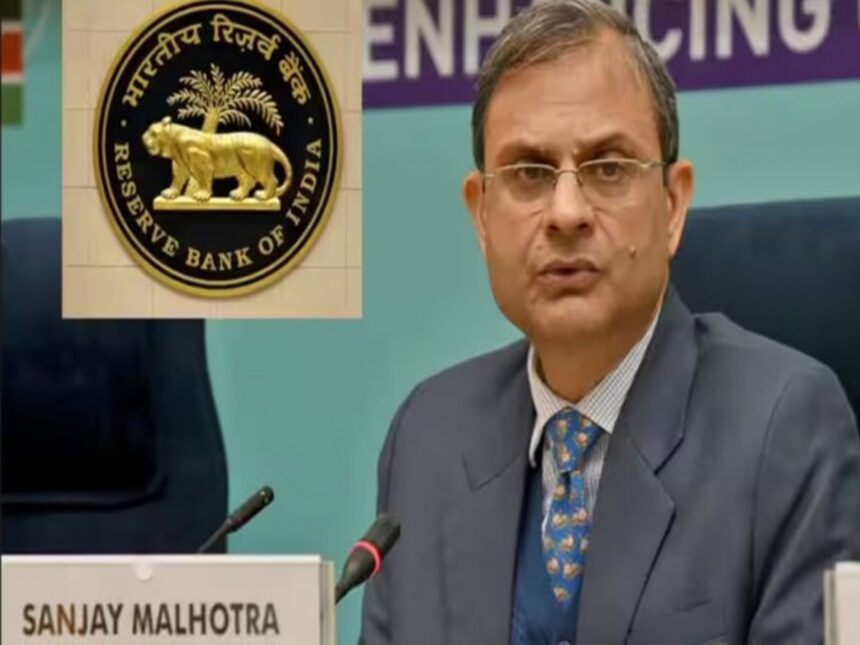
India’s massive effort to attract money from its overseas diaspora has brought in far more funds than initially expected, but the success of the fundraising drive could come with a significant cost for the Reserve Bank of India (RBI).
Economists estimate that the central bank may eventually face costs of up to $10.6 billion because of the special arrangements used to attract foreign deposits and manage the resulting liquidity.
The RBI’s special deposit window, introduced to support the rupee after it came under pressure and touched record lows, has generated exceptionally strong inflows. Once other overseas funding sources, including foreign currency debt and external commercial borrowings, are added to the picture, the total amount flowing into India could rise even further.
RBI Faces a ‘Problem of Plenty’
According to economists, attention is now shifting away from how much money India can attract and towards how the RBI will manage the large volume of funds entering the financial system.
A. Prasanna, an economist at ICICI Securities Primary Dealership, described the situation as a “problem of plenty.”
The key concern is that while large foreign inflows can strengthen the country’s external financial position and support the rupee, they can also create challenges for the RBI’s liquidity management and monetary operations.
The central bank now has to balance the benefits of additional foreign currency with the costs involved in managing these inflows.
How the FCNR(B) Scheme Could Cost the RBI
A major part of the fundraising effort has come through the Foreign Currency Non-Resident (Bank), or FCNR(B), deposit scheme.
Under the special programme, the RBI offered banks a favourable currency-swap facility designed to protect them against potential losses if the rupee depreciates.
Economists estimate that the cost of providing this protection could be around 3% to 3.5% annually.
Another challenge arises when banks bring dollars into India and exchange them for rupees. This process injects additional rupee liquidity into the banking system, which the RBI may need to absorb to prevent excessive liquidity from affecting monetary conditions.
Together, the currency hedging arrangement and liquidity management operations could create a substantial financial burden over the coming years.
Estimated Cost Could Reach Rs 1.2 Lakh Crore
According to an analysis by Madhavi Arora, economist at Emkay Global Financial Services, the combined cost of these operations could reach as much as Rs 1.2 lakh crore, or approximately $12.7 billion, over five years.
The RBI has not publicly provided detailed estimates of the expected cost.
However, people familiar with the central bank’s thinking suggest that the RBI does not currently consider the expense a major concern.
The final financial impact will depend largely on how effectively the RBI invests and manages the foreign currency raised through the programme.
Strong Forex Reserves Could Reduce Repayment Concerns
Repaying the funds raised is not expected to create major difficulties for India.
The country’s foreign exchange reserves currently stand at around $730 billion and are expected to grow further over time, providing a substantial cushion against external financial risks.
This large reserve base is expected to give India sufficient flexibility when the deposits and other overseas borrowings eventually mature.
While repayment may be manageable, economists say the larger issue is the financial cost of maintaining and managing the funds.
Could RBI’s Dividend to the Government Be Affected?
One potential consequence of the additional costs could be their impact on the RBI’s annual surplus transfer to the central government.
In May, the RBI transferred a record Rs 2.87 trillion to the government, compared with Rs 2.69 trillion in the previous year.
If the costs associated with the foreign deposit programme reduce the RBI’s earnings, its future dividend payments to the government could potentially come under pressure.
A lower surplus transfer could make it more difficult for the government to meet its fiscal and budgetary targets.
According to Madhavi Arora, the funds raised through the programme should therefore be deployed carefully and productively to minimise both direct financial costs and possible secondary fiscal consequences.
RBI Could Recover Some Costs Through Overseas Investments
The final cost to the RBI may not necessarily be as high as the initial estimates suggest.
The central bank could offset part of its expenses by investing the dollars raised in overseas assets that generate attractive returns.
For example, economists note that investing the funds in 10-year US Treasury securities, offering yields of around 4.7%, could generate enough income to offset a significant portion of the RBI’s hedging expenses.
Gaura Sengupta, an economist at IDFC First Bank, said that after accounting for investment returns, the RBI’s annual net cost could be considerably lower.
According to her assessment, the yearly cost could fall to around Rs 100 billion, and depending on investment returns and market conditions, the overall impact could even become marginally positive for the central bank.
A Successful Fundraising Drive With a Financial Trade-Off
India’s record foreign deposit mobilisation has clearly demonstrated the ability of the country to attract substantial funds from overseas Indians and international sources.
The inflows have provided valuable support to the rupee and strengthened India’s foreign currency position. However, managing such a large amount of money comes with its own challenges.
The RBI will need to carefully handle excess liquidity, manage currency-related risks and invest the foreign currency efficiently to ensure that the benefits of the programme outweigh its costs.
Ultimately, the success of the diaspora fundraising drive may depend not only on how much money India has raised, but also on how effectively the RBI deploys those funds in the years ahead.