
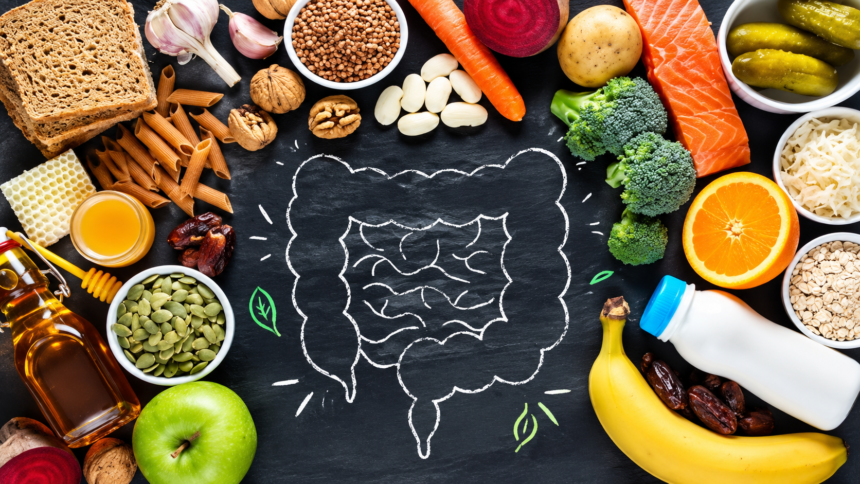
Diwali celebrations often involve several days of sweets, fried snacks, rich meals and irregular eating habits. While the festivities may be over, their effects can continue to trouble your digestive system. Bloating after meals, acidity, constipation, stomach heaviness and abdominal discomfort are some common problems people experience after festive indulgence.
If your stomach still feels uncomfortable after Diwali, it may be time to return to balanced eating habits. However, recovering from festive overeating does not require starvation or extreme detox diets.
According to Dr. Asjad Ahmed Khan (BAMS, PGDEMS, CCH, SVD, CGO), associated with New Life Clinic, North Hinjewadi, Pune, and Dr. Sarwar Medical Center, Abids, Hyderabad, including probiotic-rich foods in your daily meals can support digestive health. A balanced diet containing probiotics, prebiotics, fibre and adequate fluids can help your digestive system return to its regular routine.
Why Does Your Gut Feel Uncomfortable After Diwali?
Eating excessive amounts of fried foods, sweets, refined carbohydrates and rich meals can temporarily affect digestive health. Changes in regular eating schedules and food choices may also contribute to digestive discomfort.
Some common factors responsible for post-Diwali digestive problems include:
- Increased consumption of high-fat foods.
- Irregular meal timings.
- Insufficient dietary fibre.
- Changes in gastrointestinal motility.
These factors may contribute to bloating, acidity, constipation and abdominal discomfort, sometimes continuing for several days after the celebrations.
Understanding What Happens to Your Gut After Festive Eating
Your gastrointestinal tract contains trillions of microorganisms collectively known as the gut microbiota. These microorganisms play an important role in digestion, immune function, intestinal barrier protection and metabolic health.
Sudden changes in dietary habits, particularly increased sugar and saturated fat consumption combined with reduced fibre intake, may temporarily influence the activity of these microorganisms.
In simple terms, your digestive system may need some time to adjust after several days of heavy eating. Returning to balanced meals and including fibre-rich and fermented foods can help support a healthier gut environment.
How Probiotics and Prebiotics Support Gut Health
Probiotics are live microorganisms that offer health benefits when consumed in adequate amounts. They are commonly found in several Indian foods, including yoghurt, buttermilk, idli, dosa and appropriately prepared fermented foods.
Prebiotics, on the other hand, are dietary substances that beneficial gut microorganisms use as nourishment. Foods such as oats, bananas, onions, garlic, legumes and vegetables are some common sources.
Including both probiotics and prebiotics in your diet can support digestive health, regular bowel movements and the balance of beneficial gut microorganisms.
Expert-Recommended 3-Day Probiotic Meal Plan After Diwali
A balanced post-Diwali meal plan should focus on hydration, fibre, fermented foods and easily digestible meals. Instead of following a restrictive diet or surviving on juices, the following three-day plan offers a variety of everyday Indian food options.
Day 1: Reset and Soothe Your Digestive System
The first day focuses on hydration and simple meals that are easy to include in your regular diet.
| Meal Time | Recommended Food |
|---|---|
| Early Morning | Warm jeera water with 4–5 soaked almonds |
| Breakfast | Moong dal khichdi with 1 teaspoon ghee and curd |
| Mid-Morning | 1 banana and buttermilk |
| Lunch | Steamed rice, lauki dal, beetroot salad and 1 bowl of dahi |
| Evening | Coconut water and roasted makhana |
| Dinner | Vegetable oats soup and 1 idli with sambar |
Focus: Supporting hydration, comfortable digestion and managing digestive discomfort.
Day 2: Support Beneficial Gut Bacteria
The second day introduces more fibre-rich and fermented foods to support the gut microbiota.
| Meal Time | Recommended Food |
|---|---|
| Early Morning | Warm water with lemon and 1 teaspoon soaked chia seeds |
| Breakfast | 2 idlis with sambar and 1 bowl of curd |
| Mid-Morning | Buttermilk with roasted jeera and 1 apple |
| Lunch | Brown rice, palak dal, bhindi sabzi and cucumber raita |
| Evening | Herbal tea and 1 handful of roasted chana |
| Dinner | 1 dosa with tomato chutney and vegetable soup |
Focus: Increasing the intake of fermented foods and dietary fibre to support beneficial gut microorganisms.
Day 3: Restore Balance and Energy
The final day focuses on maintaining regular bowel movements and including a balanced combination of nutrients in everyday meals.
| Meal Time | Recommended Food |
|---|---|
| Early Morning | Methi water and 2 soaked walnuts |
| Breakfast | Oats with banana, curd and flaxseeds |
| Mid-Morning | Sweet lime juice and buttermilk |
| Lunch | Jeera rice, rajma prepared with less oil, onion salad and dahi |
| Evening | Buttermilk and 1 pear |
| Dinner | Light khichdi, kaddu sabzi and 1 bowl of curd |
Focus: Supporting regular bowel movements, digestive balance and energy levels.
5 Important Gut Health Rules to Follow for 3 Days
Along with following a balanced meal plan, a few everyday habits can help support digestive health.
- Stay hydrated: Aim to drink around 2.5–3 litres of water throughout the day to maintain adequate hydration.
- Avoid heavy foods: Limit fried, packaged and excessively spicy foods while your digestive system returns to its regular routine.
- Maintain regular meal timings: Eat at consistent times and avoid unnecessary late-night snacking.
- Take a short walk: Walking for 20–30 minutes after meals can be a helpful addition to your daily routine.
- Prioritise sleep: Try to maintain a regular sleep schedule, with a bedtime around 10:30 PM.
When Should You Consult a Doctor?
Although digestive discomfort after festive eating may settle with time, certain symptoms should not be ignored. Seek medical advice if you experience persistent acidity lasting more than five days, severe abdominal pain, blood in your stool, vomiting or an absence of bowel movements for more than three days.
Do not rely on home remedies or dietary changes alone if you experience these symptoms.
Conclusion
Post-Diwali digestive problems such as bloating, acidity and constipation can occur after several days of heavy meals and irregular eating habits. Returning to a balanced diet that includes probiotic-rich foods such as dahi, buttermilk, idli and dosa, along with prebiotic sources such as oats, bananas and vegetables, can help support digestive health.
The three-day meal plan offers a simple way to bring more structure and balance back into your eating routine. Rather than following extreme detox diets, focus on regular meals, adequate hydration, fibre-rich foods, proper sleep and physical activity.
Disclaimer: This article is intended for informational purposes only and should not be considered medical advice. Individuals with diabetes, irritable bowel syndrome (IBS), acidity or any chronic medical condition should consult a qualified doctor or dietitian before making dietary changes or following this meal plan.